
Best Urologist for Kidney Stones: How to Choose the Right Specialist
Kidney stones can cause intense pain and significantly affect your daily life. While some small stones may pass naturally, larger or recurring stones often require specialized medical care. Choosing the best urologist for kidney stones is one of the most important decisions you can make to ensure accurate diagnosis, effective treatment, and long-term prevention. This guide explains what a urologist does, how to choose the right specialist, available treatment options, and what questions to ask before starting treatment. What Is a Kidney Stone? A kidney stone is a hard deposit made from minerals and salts that forms inside the kidneys. Stones vary in size, shape, and composition. While small stones may pass through the urinary tract on their own, larger stones can block urine flow, causing severe pain and other complications. Common Symptoms If you experience severe pain, fever, or difficulty passing urine, seek immediate medical attention. Why You Should See a Urologist for Kidney Stones A urologist specializes in diagnosing and treating conditions affecting the urinary tract and male reproductive system. They have advanced training in managing kidney stones using both non-surgical and minimally invasive procedures. A qualified kidney stone specialist can: How to Choose the Best Urologist for Kidney Stones Finding the right specialist involves more than choosing the nearest hospital. 1. Check Qualifications Choose a board-certified urologist with specialized training in kidney stone management. Look for: 2. Experience Matters Ask how many kidney stone procedures the doctor performs each year. Experienced urologists generally have better outcomes in procedures like: 3. Availability of Advanced Technology The best kidney stone specialists use modern diagnostic and surgical equipment. Look for hospitals that offer: Advanced equipment often means faster recovery and fewer complications. 4. Comprehensive Diagnosis A good urologist does not simply remove the stone—they investigate why it formed. They may recommend: Understanding the cause helps prevent recurrence. 5. Offers Multiple Treatment Options Every patient is different. The best urologist explains all suitable treatments rather than recommending surgery immediately. Possible treatments include: Observation Small stones (usually under 5 mm) may pass naturally with medications and increased fluid intake. Medical Therapy Prescription medications can relax the ureter and help stones pass more easily. ESWL Shock waves break stones into smaller pieces that can pass naturally. Best for: Ureteroscopy (URS) A thin scope is inserted through the urinary tract to remove or break the stone using a laser. Suitable for: RIRS Retrograde Intrarenal Surgery is a minimally invasive laser procedure used for stones inside the kidney. Advantages: PCNL Recommended for: PCNL removes stones through a small incision in the back. 6. Read Patient Reviews Online reviews provide useful insights into: Focus on consistent positive feedback rather than isolated comments. 7. Good Communication Skills The best doctors explain: You should feel comfortable asking questions without being rushed. 8. Hospital Infrastructure Choose a hospital with: Good hospital facilities contribute to safer treatment. Questions to Ask Before Choosing a Urologist Consider asking: Red Flags to Avoid Consider another specialist if: Recovery After Kidney Stone Treatment Recovery depends on the treatment method. General recommendations include: Most minimally invasive procedures allow patients to return to normal activities within a few days. How to Prevent Kidney Stones Even after successful treatment, stones can recur. Helpful prevention tips include: When Should You See a Urologist Immediately? Seek urgent medical care if you experience: Prompt treatment can prevent kidney damage and serious infections. Why Experience Makes a Difference An experienced kidney stone specialist can accurately diagnose the condition, recommend the least invasive treatment, and reduce the chances of recurrence. Modern techniques such as laser lithotripsy, RIRS, and PCNL offer high success rates with shorter recovery times when performed by skilled urologists. Choosing the right urologist is not only about removing a stone—it is about protecting your kidney health for the future. Frequently Asked Questions (FAQs) Who is the best doctor for kidney stones? A board-certified urologist with extensive experience in minimally invasive kidney stone procedures is the best specialist to diagnose and treat kidney stones. Can all kidney stones be treated without surgery? No. Small stones may pass naturally, but larger or obstructive stones often require procedures such as ESWL, ureteroscopy, RIRS, or PCNL. What size kidney stone requires surgery? Stones larger than 6–7 mm are less likely to pass naturally and may require medical intervention, depending on their location and symptoms. Which treatment is best for kidney stones? The best treatment depends on the stone’s size, location, composition, and your overall health. A urologist will recommend the most appropriate option after evaluation. How long does kidney stone treatment take? Many minimally invasive procedures are completed within one to two hours, and most patients return home the same day or after a short hospital stay. Conclusion Choosing the best urologist for kidney stones can significantly improve your treatment experience and long-term kidney health. Look for a specialist with strong qualifications, extensive experience, modern technology, and a patient-centered approach. Early diagnosis, personalized treatment, and preventive care are key to achieving the best outcomes and reducing the risk of future kidney stones.
Chronic Kidney Stones: Causes, Symptoms, Treatment, Prevention, and Long-Term Management
Kidney stones can turn an ordinary day into an extremely uncomfortable experience. The pain may begin suddenly in the side or lower back and then travel toward the abdomen or groin. For some people, the discomfort comes and goes in intense waves, while others experience additional symptoms such as nausea, vomiting, frequent urination, or blood in the urine. When this happens, the first question is usually simple: What is the best treatment for kidney stones, and how can I get relief quickly? There is no single treatment that works best for every kidney stone. A small stone may pass naturally with appropriate medical guidance, while a larger stone may need to be broken or removed through a minimally invasive procedure. The treatment decision depends on several factors, including the size and location of the stone, severity of symptoms, urinary blockage, presence of infection, kidney function, and overall health of the patient. People looking for kidney stone treatment in Delhi, Gurgaon, Noida, Greater Noida, Ghaziabad, Faridabad, Dwarka, and nearby Delhi NCR areas now have access to a range of modern treatment approaches. These include conservative management, medicines, shock wave treatment, ureteroscopy, laser stone treatment, RIRS, and PCNL. Understanding how these options work can make it easier to have an informed discussion with a urologist and choose an appropriate treatment plan. What Are Kidney Stones? Kidney stones are solid deposits that develop when certain minerals and substances in urine become concentrated and form crystals. Over time, these crystals may join together and create a stone. A kidney stone can be extremely small or grow large enough to occupy a significant part of the kidney’s collecting system. Not every kidney stone causes immediate problems. Some stones remain inside the kidney without producing obvious symptoms and are discovered during an ultrasound or scan performed for another reason. Symptoms often become more noticeable when a stone moves from the kidney into the ureter, the narrow tube that carries urine toward the bladder. The ureter has limited space, so a moving stone can irritate the urinary tract or interfere with normal urine flow. This can trigger intense pain commonly known as renal colic. The pain may change in intensity as the ureter contracts in an attempt to move the stone. The impact of a kidney stone is not determined by size alone. A relatively small stone in an awkward position may cause significant pain or obstruction, while another stone inside the kidney may remain relatively quiet. This is why proper diagnosis is essential before deciding on the best kidney stone treatment. What Causes Kidney Stones? Kidney stones can develop for several reasons, and the exact cause is not always the same for every patient. Low fluid intake or excessive fluid loss can make urine more concentrated, creating an environment in which stone-forming substances can crystallize more easily. Dietary habits may also contribute to stone formation in susceptible individuals. High sodium intake, certain dietary patterns, metabolic abnormalities, family history, recurrent urinary infections, and specific medical conditions can influence a person’s risk. The causes also vary according to the chemical composition of the stone. Living in a hot climate may increase the importance of maintaining adequate hydration because the body loses more water through sweating. This can be particularly relevant during hot months in Delhi NCR, Gurgaon, and Noida, especially for people who work outdoors or spend long periods in high temperatures. People who repeatedly develop kidney stones may need more than basic treatment for the current stone. A urologist may recommend further evaluation to identify possible underlying risk factors. Understanding why stones are forming can help create a more targeted prevention strategy. Common Types of Kidney Stones Kidney stones are classified according to the substances from which they form. Calcium stones, particularly calcium oxalate stones, are among the most frequently encountered types. Their development can be influenced by several dietary and metabolic factors, which is why prevention advice needs to be individualized. Uric acid stones can develop when urine remains excessively acidic. Depending on the individual case, treatment and prevention may involve dietary modifications or medicines prescribed to alter urinary chemistry. Struvite stones are associated with certain urinary tract infections. Because infection plays an important role in their development, managing both the stone and the underlying infection becomes important. Cystine stones are less common and occur in people with a hereditary condition that causes excessive cystine to enter the urine. These patients often require specialized long-term management. Knowing the type of stone can be particularly helpful for people who experience recurrent episodes. If you pass a stone or have one removed during a procedure, your doctor may recommend laboratory analysis. This information can help guide future dietary, lifestyle, and medical recommendations. Symptoms That May Indicate a Kidney Stone Kidney stone symptoms can vary widely. Some people have no symptoms until a stone begins moving through the urinary tract. Others may experience discomfort even while the stone remains inside the kidney. One of the most recognizable symptoms is sudden pain in the side or back. The pain may spread toward the lower abdomen or groin and can change in intensity. Because the stone may move and the ureter may contract around it, the pain can occur in waves rather than remaining constant. Other possible symptoms include pain or burning during urination, frequent urination, nausea, vomiting, and blood in the urine. Some patients may also feel an urgent need to urinate even when only a small amount of urine is passed. Fever or chills alongside kidney stone symptoms can be particularly concerning because they may indicate an infection. Severe pain that cannot be controlled, difficulty passing urine, or feeling seriously unwell also requires prompt medical evaluation. If you experience these warning signs, avoid depending entirely on home remedies or waiting for the stone to pass on its own. Getting evaluated quickly can help identify urinary obstruction, infection, or other complications that may require urgent treatment. How Are Kidney Stones Diagnosed? Accurate diagnosis is the foundation of effective kidney
Best Treatment for Kidney Stones: Effective Options for Fast Relief
Kidney stones can turn an ordinary day into an extremely uncomfortable experience. The pain may begin suddenly in the side or lower back and then travel toward the abdomen or groin. For some people, the discomfort comes and goes in intense waves, while others experience additional symptoms such as nausea, vomiting, frequent urination, or blood in the urine. When this happens, the first question is usually simple: What is the best treatment for kidney stones, and how can I get relief quickly? There is no single treatment that works best for every kidney stone. A small stone may pass naturally with appropriate medical guidance, while a larger stone may need to be broken or removed through a minimally invasive procedure. The treatment decision depends on several factors, including the size and location of the stone, severity of symptoms, urinary blockage, presence of infection, kidney function, and overall health of the patient. People looking for kidney stone treatment in Delhi, Gurgaon, Noida, Greater Noida, Ghaziabad, Faridabad, Dwarka, and nearby Delhi NCR areas now have access to a range of modern treatment approaches. These include conservative management, medicines, shock wave treatment, ureteroscopy, laser stone treatment, RIRS, and PCNL. Understanding how these options work can make it easier to have an informed discussion with a urologist and choose an appropriate treatment plan. What Are Kidney Stones? Kidney stones are solid deposits that develop when certain minerals and substances in urine become concentrated and form crystals. Over time, these crystals may join together and create a stone. A kidney stone can be extremely small or grow large enough to occupy a significant part of the kidney’s collecting system. Not every kidney stone causes immediate problems. Some stones remain inside the kidney without producing obvious symptoms and are discovered during an ultrasound or scan performed for another reason. Symptoms often become more noticeable when a stone moves from the kidney into the ureter, the narrow tube that carries urine toward the bladder. The ureter has limited space, so a moving stone can irritate the urinary tract or interfere with normal urine flow. This can trigger intense pain commonly known as renal colic. The pain may change in intensity as the ureter contracts in an attempt to move the stone. The impact of a kidney stone is not determined by size alone. A relatively small stone in an awkward position may cause significant pain or obstruction, while another stone inside the kidney may remain relatively quiet. This is why proper diagnosis is essential before deciding on the best kidney stone treatment. What Causes Kidney Stones? Kidney stones can develop for several reasons, and the exact cause is not always the same for every patient. Low fluid intake or excessive fluid loss can make urine more concentrated, creating an environment in which stone-forming substances can crystallize more easily. Dietary habits may also contribute to stone formation in susceptible individuals. High sodium intake, certain dietary patterns, metabolic abnormalities, family history, recurrent urinary infections, and specific medical conditions can influence a person’s risk. The causes also vary according to the chemical composition of the stone. Living in a hot climate may increase the importance of maintaining adequate hydration because the body loses more water through sweating. This can be particularly relevant during hot months in Delhi NCR, Gurgaon, and Noida, especially for people who work outdoors or spend long periods in high temperatures. People who repeatedly develop kidney stones may need more than basic treatment for the current stone. A urologist may recommend further evaluation to identify possible underlying risk factors. Understanding why stones are forming can help create a more targeted prevention strategy. Common Types of Kidney Stones Kidney stones are classified according to the substances from which they form. Calcium stones, particularly calcium oxalate stones, are among the most frequently encountered types. Their development can be influenced by several dietary and metabolic factors, which is why prevention advice needs to be individualized. Uric acid stones can develop when urine remains excessively acidic. Depending on the individual case, treatment and prevention may involve dietary modifications or medicines prescribed to alter urinary chemistry. Struvite stones are associated with certain urinary tract infections. Because infection plays an important role in their development, managing both the stone and the underlying infection becomes important. Cystine stones are less common and occur in people with a hereditary condition that causes excessive cystine to enter the urine. These patients often require specialized long-term management. Knowing the type of stone can be particularly helpful for people who experience recurrent episodes. If you pass a stone or have one removed during a procedure, your doctor may recommend laboratory analysis. This information can help guide future dietary, lifestyle, and medical recommendations. Symptoms That May Indicate a Kidney Stone Kidney stone symptoms can vary widely. Some people have no symptoms until a stone begins moving through the urinary tract. Others may experience discomfort even while the stone remains inside the kidney. One of the most recognizable symptoms is sudden pain in the side or back. The pain may spread toward the lower abdomen or groin and can change in intensity. Because the stone may move and the ureter may contract around it, the pain can occur in waves rather than remaining constant. Other possible symptoms include pain or burning during urination, frequent urination, nausea, vomiting, and blood in the urine. Some patients may also feel an urgent need to urinate even when only a small amount of urine is passed. Fever or chills alongside kidney stone symptoms can be particularly concerning because they may indicate an infection. Severe pain that cannot be controlled, difficulty passing urine, or feeling seriously unwell also requires prompt medical evaluation. If you experience these warning signs, avoid depending entirely on home remedies or waiting for the stone to pass on its own. Getting evaluated quickly can help identify urinary obstruction, infection, or other complications that may require urgent treatment. How Are Kidney Stones Diagnosed? Accurate diagnosis is the foundation of effective kidney
Kidney Disease Treatment: A Complete Guide to Better Kidney Health
Kidney disease can quietly damage the body for years before noticeable symptoms appear, which is one reason why early diagnosis and appropriate kidney disease treatment are so important. Your kidneys work like a highly sophisticated filtration and balancing system. Every day, they filter waste products and excess fluid from the blood, help control blood pressure, regulate important minerals, maintain acid-base balance, and produce hormones involved in red blood cell production and bone health. When kidney function declines, the effects are not limited to the urinary system. The heart, blood vessels, bones, muscles, and other organs may also be affected. Chronic kidney disease, commonly called CKD, has become a significant global public health problem. Research discussing the KDIGO 2024 guideline estimates that CKD affects roughly 10% to 12% of the global population, representing more than 850 million people. Current U.S. data also demonstrate the scale of the problem: CDC estimates indicate that approximately 1 in 7 adults has CKD, while many affected individuals remain unaware that their kidneys are damaged. The encouraging reality is that kidney disease does not always progress rapidly toward kidney failure. Modern treatment focuses on identifying the underlying cause, slowing kidney function decline, reducing cardiovascular risk, treating complications, and helping patients maintain their quality of life. Treatment plans may involve lifestyle changes, dietary modifications, blood pressure management, diabetes control, kidney-protective medications, dialysis, or kidney transplantation, depending on the type and severity of kidney disease. This guide explains the major kidney disease treatment options, diagnostic methods, lifestyle strategies, medications, dialysis procedures, transplantation, and practical steps that may help people protect their remaining kidney function. Understanding Kidney Disease and Why Early Treatment Matters Kidney disease is a broad term describing conditions that damage the kidneys or reduce their ability to perform essential functions. Some kidney problems develop suddenly, while others progress slowly over months or years. Chronic kidney disease is generally characterized by abnormalities of kidney structure or function that persist for at least three months and have implications for a person’s health. Because the kidneys have considerable functional reserve, substantial damage can occur before obvious symptoms develop. Why does early treatment matter so much? Think of kidney function like water slowly draining from a reservoir. If doctors identify the problem early, they may be able to reduce the speed at which the water disappears. Once the reservoir becomes nearly empty, however, restoring its original capacity may be difficult or impossible. The same principle applies to many chronic kidney conditions. Treatment cannot always repair existing scarring, but timely intervention can sometimes significantly slow additional damage. Modern CKD management has also shifted beyond simply watching creatinine levels and waiting for kidney function to worsen. The KDIGO 2024 Clinical Practice Guideline emphasizes evaluation of kidney function, assessment of albuminuria, prediction of progression risk, treatment of underlying causes, cardiovascular risk reduction, medication management, and coordinated care. This comprehensive approach reflects an important reality: people with CKD often face a substantial risk of cardiovascular disease and other complications before reaching kidney failure. Early diagnosis gives patients and healthcare professionals more opportunities to intervene. Blood pressure can be controlled, diabetes management can be improved, potentially harmful medications can be reviewed, smoking can be addressed, and kidney-protective therapies can be considered when clinically appropriate. Regular monitoring can also identify complications such as anemia, electrolyte abnormalities, metabolic acidosis, and mineral and bone disorders before they become more serious. What Happens When Your Kidneys Stop Working Properly? Healthy kidneys continuously remove metabolic waste, regulate fluid levels, maintain electrolyte balance, support blood pressure control, and participate in hormone production. When kidney function decreases, waste products and excess fluid may begin accumulating in the body. The severity of these problems depends on the underlying disease, the speed of kidney function decline, and the amount of remaining kidney function. During the early stages of CKD, many people feel completely normal. Laboratory tests may show reduced estimated glomerular filtration rate, known as eGFR, or increased albumin in the urine even when obvious symptoms are absent. This is why kidney disease is sometimes described as a silent condition. Waiting for noticeable symptoms before seeking medical care can delay diagnosis. As kidney disease progresses, patients may experience swelling of the ankles or legs, fatigue, appetite changes, nausea, difficulty concentrating, sleep problems, muscle cramps, persistent itching, changes in urination, and shortness of breath. However, these symptoms are not specific to kidney disease and can occur with many medical conditions. Severe loss of kidney function can cause dangerous fluid accumulation, electrolyte disturbances, acid-base abnormalities, malnutrition, neurological symptoms, and cardiovascular complications. At this stage, dialysis or kidney transplantation may become necessary. Regular testing and appropriate treatment for kidney disease therefore aim to identify problems before advanced complications develop. Common Types of Kidney Disease Kidney disease is not a single medical condition. Different diseases damage different structures within the kidneys, and the appropriate treatment depends heavily on the underlying cause. Chronic kidney disease is one of the most common categories, but kidney problems may also result from infections, autoimmune disorders, inherited diseases, urinary obstruction, kidney stones, medication toxicity, or sudden reductions in blood flow. Diabetic kidney disease develops when prolonged high blood glucose levels damage the kidney’s filtering structures. High blood pressure can also damage small blood vessels within the kidneys, reducing their ability to filter blood effectively. Glomerular diseases affect the microscopic filtering units called glomeruli and may cause blood or protein to appear in the urine. Polycystic kidney disease is an inherited disorder characterized by the development of numerous fluid-filled cysts within the kidneys. Lupus nephritis occurs when the autoimmune disease systemic lupus erythematosus causes kidney inflammation. Other conditions, including IgA nephropathy, focal segmental glomerulosclerosis, interstitial nephritis, and obstructive uropathy, can also contribute to kidney damage. Identifying the exact type of kidney disease is essential because treatment strategies vary considerably. For example, a patient with urinary obstruction may require treatment to restore urine flow, while someone with autoimmune kidney inflammation may need medications that modify immune activity. Effective treatment begins with an accurate diagnosis
How Much Does PCNL Surgery Cost? Complete Price Breakdown
If you have been advised to undergo Percutaneous Nephrolithotomy, one of the first questions that may come to mind is, “How much does PCNL surgery cost?” Understanding the expected medical expenses before undergoing kidney stone treatment can help you prepare financially and avoid unexpected hospital bills. The PCNL surgery cost can vary considerably because there is no single fixed price for every patient. The final amount depends on the complexity of the kidney stones, diagnostic investigations, hospital facilities, surgeon and anesthesia charges, the type of PCNL procedure performed, hospital stay, medicines, and whether additional treatments such as DJ stent placement or removal are required. Based on publicly available Indian healthcare cost estimates, PCNL surgery prices may range from approximately ₹45,000 to ₹1,80,000 or more, depending on the city, hospital, complexity of the procedure, and services included in the treatment package. Some healthcare providers publish average or standard PCNL packages around ₹90,000 to ₹1,25,000, while complicated or staged procedures can cost significantly more. These figures should be considered general market estimates rather than guaranteed prices because a urologist must evaluate the patient’s stone burden and overall health before providing an accurate treatment estimate. This detailed guide explains the PCNL surgery cost in India, the expenses typically included in a PCNL treatment package, the factors that increase or decrease the final hospital bill, and how PCNL compares with other kidney stone treatments. If you are exploring treatment options for large or complex kidney stones, understanding these costs can help you ask the right questions before scheduling surgery. What Is PCNL Surgery? Percutaneous Nephrolithotomy (PCNL) is a minimally invasive surgical procedure used to remove certain large or complex kidney stones. During the procedure, the surgeon creates a small opening through the patient’s back to access the kidney. A thin surgical instrument called a nephroscope is passed through this access tract, allowing the surgeon to locate the stones. Depending on their size and hardness, the stones may be removed directly or fragmented into smaller pieces using specialized energy devices before removal. PCNL is generally considered when kidney stones are too large, complex, or difficult to treat effectively with less invasive treatments such as shock wave lithotripsy or ureteroscopy. Johns Hopkins Medicine describes PCNL as a procedure for removing certain stones in the kidney or upper ureter that are too large for other treatment methods. Clinical literature also identifies PCNL as an important treatment option for larger renal stones, particularly stones greater than 2 cm, although the appropriate treatment must always be selected according to the individual patient’s condition. Because PCNL involves specialized surgical equipment, anesthesia, imaging guidance, an operating theatre, and postoperative monitoring, the cost is usually higher than simple medical management or some non-surgical kidney stone treatments. However, comparing treatments based only on price can be misleading. A cheaper procedure may not be clinically suitable for a patient with a large, complex, or difficult-to-access kidney stone. The primary goal should be selecting an appropriate treatment after evaluation by a qualified urologist. How Does PCNL Surgery Work? PCNL surgery usually begins with diagnostic imaging and medical evaluation. Tests such as blood investigations, urine analysis, ultrasound, X-ray, or CT imaging may be recommended depending on the patient’s condition. These investigations allow the urologist to understand the size, number, location, and complexity of the kidney stones and plan the safest surgical approach. During the procedure, the patient typically receives anesthesia. The surgeon establishes a small access tract through the skin of the back into the kidney and passes a nephroscope through the tract. Surgical instruments are then used to break and remove the kidney stones. Depending on the complexity of the case, a nephrostomy tube or ureteral stent may be placed temporarily to support urinary drainage during recovery. The duration and complexity of the operation can influence the total PCNL surgery cost. A patient with a single accessible stone may require fewer surgical resources than someone with multiple stones, staghorn calculi, stones involving different areas of the kidney, or anatomical abnormalities. Longer operating time, additional equipment, multiple access tracts, intensive postoperative monitoring, or a staged procedure can increase the final treatment expense. When Is PCNL Recommended for Kidney Stones? A urologist may consider PCNL when a patient has a large kidney stone, complex stone burden, stones that have not responded to another treatment, or stones whose size and location make other procedures less appropriate. The decision is based on clinical evaluation rather than cost alone. Patient factors such as kidney anatomy, infection, bleeding risk, previous surgery, stone composition, and overall medical condition may influence treatment planning. PCNL is commonly associated with the management of larger renal stones because it allows surgeons to directly access the kidney and remove substantial stone material. However, not every patient with kidney stones needs PCNL surgery. Small stones may pass naturally or respond to medication, while other patients may be candidates for ESWL, ureteroscopy, RIRS, or another treatment method. Patients should therefore avoid selecting a procedure simply because they have found an attractive package price online. An appropriate treatment plan requires examination, diagnostic imaging, and consultation with a urologist. The expected cost becomes easier to estimate after the surgeon understands the clinical complexity of the case. What Is the Average PCNL Surgery Cost in India? The PCNL surgery cost in India varies substantially between hospitals and cities. Published healthcare estimates demonstrate this variation clearly. One provider estimates PCNL treatment between approximately ₹90,000 and ₹1,80,000, with an average cost around ₹1,25,000. Another hospital network lists a broader range of approximately ₹75,000 to ₹1,80,000 depending on surgical complexity, hospital facilities, and the patient’s medical condition. City-specific estimates can differ even further. This wide price variation exists because PCNL surgery is not a standardized retail product with the same cost everywhere. Think of the hospital estimate like the construction budget for a house. Two houses may have the same basic purpose, but the final price changes according to the size of the project, materials, complexity, location, and professionals involved. Similarly, two patients undergoing
Signs of Kidney Stones: 12 Early Warning Symptoms You Should Never Ignore (2026 Guide)
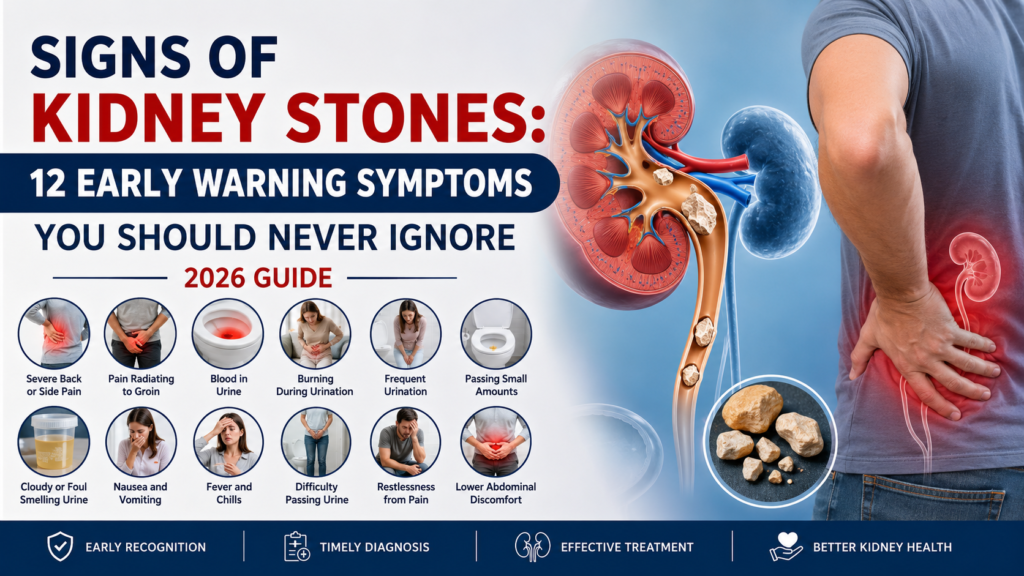
Kidney stones rarely appear without warning. In many cases, your body starts sending subtle signals days or even weeks before the pain becomes unbearable. Unfortunately, many people mistake these early symptoms for muscle strain, urinary tract infections, dehydration, or simple stomach discomfort. Ignoring these warning signs can allow a small kidney stone to grow larger or move into the urinary tract, causing severe pain and increasing the risk of complications. Understanding the signs of kidney stones is one of the best ways to seek timely medical care and avoid emergencies. Kidney stones affect millions of people worldwide every year, and the number continues to rise due to poor hydration, unhealthy diets, obesity, diabetes, and sedentary lifestyles. Advances in medical technology during 2026 have made diagnosis and treatment faster than ever, but recognizing symptoms early remains the key to preventing unnecessary suffering. Whether you’re experiencing mild discomfort or sharp pain, this comprehensive guide explains the 12 early warning symptoms of kidney stones, why they happen, who is at risk, how doctors diagnose them, and the latest treatment options available today. By the end of this article, you’ll know exactly when it’s time to seek medical attention and how to reduce your chances of developing kidney stones in the future. What Are Kidney Stones? Kidney stones are hard mineral deposits that develop inside the kidneys when minerals and salts in the urine become highly concentrated. Instead of dissolving and leaving the body naturally, these minerals begin sticking together, forming tiny crystals that gradually grow into stones. Their size can range from a grain of sand to several centimeters in diameter. Some stones pass without causing noticeable symptoms, while others become trapped in the urinary tract and lead to intense pain and serious complications. There are several different types of kidney stones, each formed by different substances. Calcium stones are the most common, accounting for nearly 80% of all cases. Uric acid stones often develop in people who consume high-protein diets or suffer from gout. Struvite stones are generally associated with urinary tract infections, while cystine stones occur due to a rare inherited disorder. Knowing the type of stone is important because it helps doctors recommend the most effective prevention strategy and reduce the likelihood of recurrence. Modern research has shown that kidney stone formation is influenced by both genetics and lifestyle. Inadequate water intake, excessive sodium consumption, obesity, diabetes, and metabolic disorders all increase the likelihood of stone formation. Climate also plays a role. People living in hotter regions often lose more water through sweating, making concentrated urine more likely and increasing the risk of stone development. Understanding these contributing factors helps explain why kidney stones have become increasingly common across different age groups. Although kidney stones originate inside the kidneys, symptoms usually begin only after the stone starts moving through the urinary tract. This movement irritates surrounding tissues and can block urine flow, producing the characteristic pain and urinary symptoms that many patients experience. Recognizing these warning signs early can prevent further complications and make treatment significantly easier. Why Recognizing Early Symptoms Matters Many people assume kidney stones always cause sudden, unbearable pain. While severe pain is certainly one of the hallmark symptoms, the condition often begins much more quietly. Mild back discomfort, frequent urination, burning during urination, or slightly pink urine may appear days before the stone causes a blockage. These early warning signs are easy to ignore, especially if you have never experienced kidney stones before. Ignoring the signs of kidney stones can lead to complications that are far more serious than temporary discomfort. As the stone moves through the urinary tract, it may obstruct urine flow, increasing pressure inside the kidney. This pressure not only causes severe pain but can also damage kidney tissue if left untreated. Infections may also develop behind the blockage, creating a potentially life-threatening medical emergency that requires immediate treatment. Early diagnosis allows doctors to determine the size, location, and type of kidney stone before complications develop. Small stones often pass naturally with hydration, pain management, and medication. Larger stones, however, may require minimally invasive treatments such as laser stone removal, shockwave therapy, or ureteroscopy. Seeking treatment during the early stages generally results in shorter recovery times, fewer complications, and lower healthcare costs. Perhaps the greatest benefit of recognizing symptoms early is preventing recurrence. Studies consistently show that individuals who have had one kidney stone face a significantly higher chance of developing another within the next several years if preventive measures are not taken. Early medical evaluation gives patients the opportunity to identify dietary triggers, metabolic disorders, and lifestyle habits that contribute to stone formation. Prevention is often much easier than treating repeated episodes. How Kidney Stones Develop Kidney stones begin forming when urine contains higher-than-normal concentrations of minerals such as calcium, oxalate, uric acid, or phosphate. Normally, these substances dissolve completely in urine. However, dehydration reduces urine volume, making these minerals more concentrated and allowing microscopic crystals to form. Over time, these crystals stick together and grow larger, eventually becoming kidney stones. The formation process may take weeks, months, or even years. During this period, most people experience no symptoms because the stones remain inside the kidney without causing obstruction. Problems usually begin when the stone moves into the ureter, the narrow tube connecting the kidney to the bladder. Since the ureter is much smaller than the kidney, even relatively small stones can become lodged, blocking urine flow and causing intense muscle spasms. The pain associated with kidney stones does not come from the stone itself but from the pressure created behind the blockage. As urine builds up, the kidney stretches, triggering severe pain signals. This explains why kidney stone pain often comes in waves rather than remaining constant. The muscles surrounding the ureter repeatedly contract in an attempt to push the stone forward, creating episodes of sharp pain separated by brief periods of relief. Advancements in imaging technology during recent years have made it possible to detect kidney stones earlier than
10 Natural Ways to Remove Kidney Stones Without Surgery (2026 Guide)
What Are Kidney Stones? Kidney stones are hard mineral deposits that develop inside the kidneys when substances such as calcium, oxalate, uric acid, or cystine become highly concentrated in the urine. Instead of dissolving and leaving the body naturally, these minerals stick together and gradually form crystals that can grow into stones of different sizes. Some remain tiny like grains of sand and pass without causing major discomfort, while others can become large enough to block the urinary tract and trigger intense pain. Today, kidney stones have become increasingly common due to modern lifestyles. Long working hours, inadequate water intake, excessive consumption of processed foods, high sodium diets, obesity, diabetes, and sedentary habits all contribute to the rising number of cases. India’s hot climate also increases the risk because dehydration occurs more easily, especially during the summer months. Symptoms usually include severe pain in the side or lower back, burning during urination, blood in the urine, nausea, vomiting, frequent urination, or cloudy urine. However, not every kidney stone causes symptoms immediately. Some are detected only during routine ultrasound or CT scans. Many people search online for natural ways to remove kidney stones because they hope to avoid surgery. While natural methods can help small stones pass more easily, it is important to understand that not every kidney stone can be treated at home. The size, location, and type of stone determine the most appropriate treatment. For people living in Dwarka, Delhi, Najafgarh, Janakpuri, Uttam Nagar, Palam, West Delhi, and Gurugram, maintaining proper hydration is especially important because the region’s warm climate increases fluid loss through sweating. Why Do Kidney Stones Form? Kidney stones rarely develop overnight. They form gradually as a result of multiple lifestyle, dietary, and medical factors. Understanding these causes is the first step toward preventing future stones and choosing the right treatment approach. The most common cause is dehydration. When the body does not receive enough water, urine becomes concentrated. This concentration allows minerals like calcium and oxalate to crystallize and stick together. Individuals who drink less than two liters of water daily are generally at a higher risk. Diet also plays a major role. Foods high in sodium increase calcium levels in urine, making stone formation more likely. Excessive animal protein can raise uric acid levels, while high consumption of oxalate-rich foods such as spinach, beetroot, chocolate, nuts, and tea may contribute to calcium oxalate stones in susceptible individuals. Medical conditions including obesity, diabetes, gout, hyperparathyroidism, recurrent urinary tract infections, and certain digestive disorders can further increase the likelihood of kidney stone formation. Genetics also matters. If close family members have experienced kidney stones, your own risk is significantly higher. Ignoring these risk factors often leads to recurrent stone formation. That is why doctors emphasize long-term dietary changes and hydration rather than relying only on medications. Can Kidney Stones Be Removed Naturally? One of the most common questions patients ask is whether surgery can always be avoided. The answer depends on the size, type, and location of the stone. Small kidney stones—particularly those measuring less than 5 mm—often pass naturally with adequate hydration, appropriate pain management, and lifestyle modifications. Stones measuring between 5 mm and 10 mm may also pass on their own in some cases, although medical supervision is usually recommended because passage rates decrease as stone size increases. Larger stones generally require medical treatment, especially if they obstruct urine flow, cause infection, or lead to severe pain. Natural remedies mainly work by increasing urine flow, reducing crystal formation, supporting urinary health, and helping the body flush out tiny stones. They should never replace professional medical care when warning signs such as fever, persistent vomiting, inability to urinate, or severe pain are present. For patients in Delhi NCR, including Dwarka, Najafgarh, Janakpuri, Uttam Nagar, Palam, and Gurugram, consulting a qualified urologist is advisable if symptoms persist despite trying conservative measures. Early diagnosis through ultrasound or CT imaging helps determine whether natural management is appropriate or whether minimally invasive procedures are needed. The goal of natural treatment is not simply to remove an existing stone but also to reduce the chances of future stone formation through healthier habits and better hydration. 1. Drink More Water – The Most Effective Natural Remedy Among all the natural ways to remove kidney stones, increasing water intake remains the simplest, safest, and most effective approach. Water dilutes urine, reducing the concentration of minerals responsible for stone formation. It also increases urine output, helping tiny stones move through the urinary tract more easily. Many people wait until they feel thirsty before drinking water, but thirst is actually a sign that the body has already started becoming dehydrated. Consistent hydration throughout the day is much more beneficial than drinking large amounts at once. Most healthy adults should aim for enough fluid to produce clear or pale-yellow urine, although exact requirements vary depending on climate, physical activity, and medical conditions. People living in Delhi, Dwarka, West Delhi, Najafgarh, and nearby regions often experience high temperatures for much of the year. Sweating causes significant fluid loss, making dehydration a common contributor to kidney stone formation. Increasing water intake during hot weather and after exercise becomes even more important. Simple ways to stay hydrated include carrying a reusable water bottle, setting reminders on your phone, drinking water before every meal, and consuming water-rich foods such as cucumber, watermelon, and oranges. Coconut water can also contribute to hydration, although plain water should remain the primary choice. Hydration alone may not dissolve every stone, but it creates the best environment for small stones to pass naturally and helps reduce the risk of new stones developing in the future. 2. Lemon Juice and Citrus Fruits – A Natural Source of Citrate Among the most recommended natural ways to remove kidney stones, consuming lemon juice and other citrus fruits has gained attention because of their high citrate content. Citrate is a naturally occurring substance that helps prevent calcium from binding with oxalate, one of the primary causes of
Advanced Kidney Stone Treatment in Dwarka Delhi: Everything You Need to Know in 2026
Kidney stones are one of the most common urinary tract conditions affecting people of all ages. They develop when minerals and salts in urine stick together and form hard deposits inside the kidneys. While some small stones pass naturally, larger stones often require medical treatment to prevent severe pain, infection, urinary blockage, or kidney damage. Fortunately, modern urology has changed significantly over the past decade. Today, advanced kidney stone treatment in Dwarka, Delhi, offers minimally invasive procedures that help remove stones with less pain, smaller or no surgical cuts, shorter hospital stays, and faster recovery compared to traditional surgery. This guide explains everything you need to know about kidney stones in 2026, including symptoms, causes, diagnosis, treatment options, recovery, and practical ways to reduce the risk of future stones. Whether you have recently been diagnosed or simply want to understand your options, this article provides clear, easy-to-understand information. What Is Advanced Kidney Stone Treatment? Advanced kidney stone treatment refers to modern medical techniques used to diagnose, break, or remove kidney stones while causing minimal damage to surrounding tissues. Unlike older open surgeries, today’s treatments are designed to improve patient comfort and reduce recovery time. These techniques may include: The choice of treatment depends on several factors, including the size, location, type, and number of stones, as well as the patient’s overall health and kidney function. Understanding Kidney Stones Kidney stones are hard deposits made from substances naturally present in urine. When urine becomes concentrated, minerals such as calcium, oxalate, uric acid, or cystine can crystallize and gradually form stones. These stones may remain inside the kidney or travel into the ureter, where they can block the flow of urine and cause severe pain. Stone sizes vary greatly: Common Types of Kidney Stones Understanding the type of kidney stone helps doctors recommend the most appropriate treatment and prevention plan. Calcium Stones Calcium stones are the most common type. They usually form from calcium oxalate but may also contain calcium phosphate. Factors such as dehydration, certain dietary habits, and metabolic conditions can increase the risk. Uric Acid Stones These stones develop when urine is consistently acidic. They are more common in people with gout, obesity, diabetes, or diets high in animal protein. Struvite Stones Struvite stones often form after repeated urinary tract infections. They can grow quickly and become quite large if left untreated. Cystine Stones These are rare and occur due to a hereditary condition called cystinuria, in which excessive amounts of the amino acid cystine are excreted in the urine. Symptoms of Kidney Stones The symptoms of kidney stones depend on the size and location of the stone. Some small stones may not cause any symptoms until they move into the urinary tract. Common symptoms include: If you experience severe pain, fever, or an inability to pass urine, seek prompt medical evaluation, as these symptoms may indicate a blocked urinary tract or infection requiring urgent care. Why Are Kidney Stones Becoming More Common? Healthcare professionals have observed an increase in kidney stone cases over recent years. Several lifestyle and environmental factors contribute to this trend. Inadequate Water Intake Not drinking enough fluids leads to concentrated urine, making it easier for minerals to crystallize and form stones. Dietary Habits Frequent consumption of processed foods, high salt intake, sugary beverages, and excessive animal protein can increase the likelihood of stone formation in some people. Sedentary Lifestyle Limited physical activity and prolonged sitting may contribute to metabolic changes associated with kidney stone risk. Obesity and Metabolic Disorders Conditions such as obesity, diabetes, and metabolic syndrome are associated with a higher risk of certain types of kidney stones. Family History People with a family history of kidney stones are more likely to develop them themselves. Risk Factors Certain factors increase the likelihood of developing kidney stones: Recognizing these risk factors can help individuals make lifestyle changes that may reduce the chances of future stone formation. How Are Kidney Stones Diagnosed? Accurate diagnosis is essential for selecting the most appropriate treatment. Doctors usually combine a medical history, physical examination, laboratory tests, and imaging studies. Common diagnostic methods include: Urine Analysis A urine test can identify blood, infection, crystals, or other abnormalities that may suggest kidney stones or related conditions. Blood Tests Blood tests help assess kidney function and measure levels of calcium, uric acid, and other substances linked to stone formation. Ultrasound Ultrasound is a non-invasive imaging test that can detect many kidney stones and assess urinary obstruction without exposing patients to radiation. CT Scan A non-contrast CT scan is considered one of the most accurate imaging techniques for identifying kidney stones, determining their size, location, and density, and assisting in treatment planning. X-rays In selected cases, X-rays may be used to monitor certain types of stones, although not all stones are visible on standard X-rays. Great! Here is Part 2 of your SEO-optimized article. Latest Advanced Kidney Stone Treatment in Dwarka Delhi (2026) Advancements in urology have made kidney stone treatment safer, more precise, and less invasive than ever before. The goal of modern treatment is not only to remove the stone but also to preserve kidney function, reduce discomfort, and help patients return to their daily routine as quickly as possible. The most suitable treatment depends on several factors, including: A urologist evaluates these factors before recommending the most appropriate treatment option. 1. Retrograde Intrarenal Surgery (RIRS) One of the most advanced techniques used today is Retrograde Intrarenal Surgery (RIRS). It is a minimally invasive procedure that removes kidney stones without making an external incision. During the procedure, a flexible ureteroscope is passed through the natural urinary passage into the kidney. A high-precision laser is then used to break the stone into tiny fragments, which are either removed or allowed to pass naturally through urine. RIRS is commonly recommended for: Advantages of RIRS 2. Laser Kidney Stone Surgery Laser technology has transformed kidney stone treatment. Instead of removing a large stone in one piece, a laser fiber breaks it into very small
RIRS Surgery in Dwarka, Delhi: A Complete Guide to Kidney Stone Treatment
Kidney stones are among the most common urological problems affecting people of all ages. They can cause severe pain, blood in urine, frequent urination, nausea, fever, and urinary blockage. If left untreated, kidney stones may lead to repeated infections or damage to the kidneys. Thankfully, medical technology has advanced significantly over the last decade, making treatment safer and less painful than ever before. RIRS Surgery in Dwarka, Delhi has emerged as one of the most effective minimally invasive procedures for removing kidney stones. Unlike traditional surgery, RIRS does not require any external cuts or stitches. Instead, doctors use a flexible scope and a powerful laser to reach the kidney through the natural urinary passage and break the stones into tiny fragments. As a result, patients experience less pain, minimal bleeding, and a much faster recovery. People living in Dwarka, Sector 6, Sector 10, Sector 12, Sector 13, Sector 21, Najafgarh, Janakpuri, Uttam Nagar, Palam, Dabri, Mahavir Enclave, Vikaspuri, and nearby areas of Delhi are increasingly choosing this advanced procedure because it combines safety, precision, and quicker recovery. If you are looking for complete information about RIRS Surgery in Dwarka, Delhi, this guide will help you understand the procedure, benefits, eligibility, preparation, and recovery. What is RIRS Surgery? Retrograde Intrarenal Surgery (RIRS) is an advanced laser procedure used to remove kidney stones without making any incisions. During the surgery, a thin flexible instrument called a flexible ureteroscope is inserted through the urethra, bladder, and ureter to reach the kidney. Once the stone is located, a Holmium laser or Thulium Fiber Laser (TFL) breaks it into fine particles that either pass naturally through urine or are removed with specialized instruments. Since the procedure uses the body’s natural urinary tract, there is no need for large cuts, stitches, or extensive tissue dissection. This significantly reduces post-operative discomfort and lowers the risk of complications. Patients generally stay in the hospital for only one day and can resume light activities within a few days, depending on their overall health. Today, RIRS Surgery in Dwarka, Delhi is considered one of the preferred treatment options for kidney stones because it offers excellent stone clearance while preserving healthy kidney tissue. It is especially beneficial for patients who want a minimally invasive solution with a shorter recovery period. How Does RIRS Surgery Work? The procedure is performed under general or spinal anesthesia to ensure complete comfort during surgery. Once the patient is asleep or adequately anesthetized, the urologist carefully introduces the flexible ureteroscope through the urinary passage until it reaches the kidney. A high-definition camera attached to the scope provides a clear view of the stone. The surgeon then uses a laser fiber to fragment the stone into very small pieces. Depending on the size and location of the stone, the fragments may either be removed with tiny baskets or left to pass naturally in the urine over the following days. In many cases, the doctor places a temporary DJ stent inside the ureter. This stent helps maintain urine flow, reduces swelling, and supports healing. The stent is usually removed after one to three weeks during a short outpatient procedure. Why Choose RIRS Surgery in Dwarka, Delhi? Dwarka has become one of Delhi’s fastest-growing healthcare destinations, offering advanced hospitals equipped with modern laser technology and experienced urologists. Patients from nearby areas such as Najafgarh, Janakpuri, Palam, Uttam Nagar, Dabri, Mahavir Enclave, Dwarka Mor, and Gurugram often visit Dwarka for specialized kidney stone treatment because of its excellent medical facilities and easy accessibility. Choosing RIRS Surgery in Dwarka, Delhi provides several advantages: These benefits make RIRS an ideal treatment option for many patients seeking a safe and effective solution for kidney stones. Who Needs RIRS Surgery in Dwarka, Delhi? Not every kidney stone requires surgery. Small stones often pass naturally with medication, hydration, and lifestyle changes. However, larger or more complex stones may require surgical treatment. A urologist may recommend RIRS Surgery in Dwarka, Delhi if you have: Before recommending surgery, your doctor will review imaging studies such as ultrasound or CT scans, urine tests, blood investigations, and your medical history to determine the most appropriate treatment. Symptoms That May Indicate Kidney Stones Many people ignore the early warning signs of kidney stones until the pain becomes unbearable. Recognizing these symptoms early can help prevent complications and allow timely treatment. Common symptoms include: If you experience these symptoms, consult a qualified urologist promptly for evaluation. Conditions Commonly Treated with RIRS Surgery Although RIRS is primarily performed for kidney stones, it can also help manage several related conditions, depending on the patient’s clinical needs. These include: Condition Can RIRS Help? Kidney Stones Yes Lower Calyx Stones Yes Upper Kidney Stones Yes Multiple Kidney Stones Yes Recurrent Kidney Stones Yes Residual Stones After Other Procedures Yes Selected Ureteric Stones Yes The final decision depends on factors such as stone size, location, anatomy of the urinary tract, and the patient’s overall health. Benefits of RIRS Surgery in Dwarka, Delhi One of the biggest reasons patients choose RIRS Surgery in Dwarka, Delhi is the combination of safety, precision, and rapid recovery. Compared with conventional open surgery, RIRS causes significantly less trauma to the body because it avoids external incisions. Some of the key benefits include: Because of these advantages, RIRS has become one of the leading treatment options for kidney stones in modern urology. Step-by-Step Procedure of RIRS Surgery in Dwarka, Delhi If your urologist recommends RIRS Surgery in Dwarka, Delhi, understanding each step of the procedure can help you feel more confident. Since this is a minimally invasive treatment, the process is straightforward, and most patients recover quickly. Before the Surgery Before scheduling the procedure, your doctor will perform a detailed evaluation. This helps determine the size, number, and location of the kidney stones and ensures that RIRS is the right treatment option. The evaluation may include: Your doctor may ask you to stop certain blood-thinning medications a few days before surgery. Additionally, you should avoid eating or drinking for several hours
Kidney Stone RIRS Treatment: A Modern and Minimally Invasive Solution for Kidney Stones
Introduction Kidney stones are a common urinary tract problem that can cause severe pain, urinary blockage, blood in urine, and recurring infections. While some small stones pass naturally, larger stones often require medical treatment. One of the most advanced and effective treatment options available today is Kidney Stone RIRS Treatment, also known as Retrograde Intrarenal Surgery (RIRS). Patients from Nagli, Dwarka, Delhi, and nearby areas are increasingly choosing RIRS because it offers a minimally invasive approach with faster recovery and excellent stone clearance rates. What Is Kidney Stone RIRS Treatment? RIRS (Retrograde Intrarenal Surgery) is a modern laser-based procedure used to remove kidney stones without making any external cuts or incisions. During the procedure, a thin flexible ureteroscope is passed through the natural urinary passage to reach the kidney. Once the stone is located, laser energy is used to break it into tiny fragments that can be removed or passed naturally through urine. Because RIRS uses the body’s natural urinary pathway, it is considered one of the least invasive surgical options for kidney stone treatment. Who May Need RIRS Surgery? A urologist may recommend RIRS treatment for patients who have: The decision depends on the stone’s size, location, composition, and the patient’s overall health. How Is RIRS Performed? The procedure usually follows these steps: 1. Anesthesia The patient receives general or spinal anesthesia to ensure comfort during the treatment. 2. Insertion of Flexible Scope A flexible ureteroscope is inserted through the urethra and guided through the bladder and ureter into the kidney. 3. Stone Identification A high-definition camera helps the surgeon locate the kidney stone accurately. 4. Laser Fragmentation A specialized laser breaks the stone into tiny particles. 5. Stone Removal The fragments are either removed using small instruments or allowed to pass naturally through urine. In some cases, a temporary DJ stent may be placed to ensure smooth urine flow after surgery. Benefits of Kidney Stone RIRS Treatment No External Incisions Unlike traditional surgery, RIRS does not require cuts or stitches. Faster Recovery Most patients return to normal activities within a few days. Less Pain and Discomfort The minimally invasive nature of the procedure results in reduced postoperative pain. Short Hospital Stay Many patients can be discharged within 24 to 48 hours after treatment. Effective Stone Clearance RIRS can treat stones in areas of the kidney that may be difficult to access with other techniques. Recovery After RIRS Surgery Recovery is generally smooth for most patients. Doctors may advise: Most individuals can resume light activities within a few days and return to routine work shortly thereafter. Possible Risks and Complications Although RIRS is considered safe, every medical procedure carries some risks. These may include: These complications are generally uncommon and can often be managed effectively with medical care. RIRS vs Other Kidney Stone Treatments Treatment Incision Required Recovery Time Suitable For RIRS No Fast Small to moderately large kidney stones ESWL No Fast Selected small stones PCNL Small incision Longer Very large kidney stones Open Surgery Yes Longest Rarely required cases The most appropriate treatment depends on the patient’s condition and the characteristics of the kidney stone. How to Prevent Kidney Stones After RIRS Preventing recurrence is important because kidney stones can return. Helpful prevention measures include: Lifestyle changes and medical guidance can significantly reduce the risk of future stone formation. Kidney Stone RIRS Treatment in Dwarka, Delhi and Nagli People searching for Kidney Stone RIRS Treatment in Dwarka Delhi, Kidney Stone Treatment in Nagli, Kidney Stone Specialist Delhi, or an experienced Urologist in Dwarka Delhi often seek advanced treatment options that offer quicker recovery and minimal discomfort. RIRS has become one of the preferred procedures for suitable kidney stone cases because it combines modern laser technology with a minimally invasive approach.