
What Are Kidney Stones?
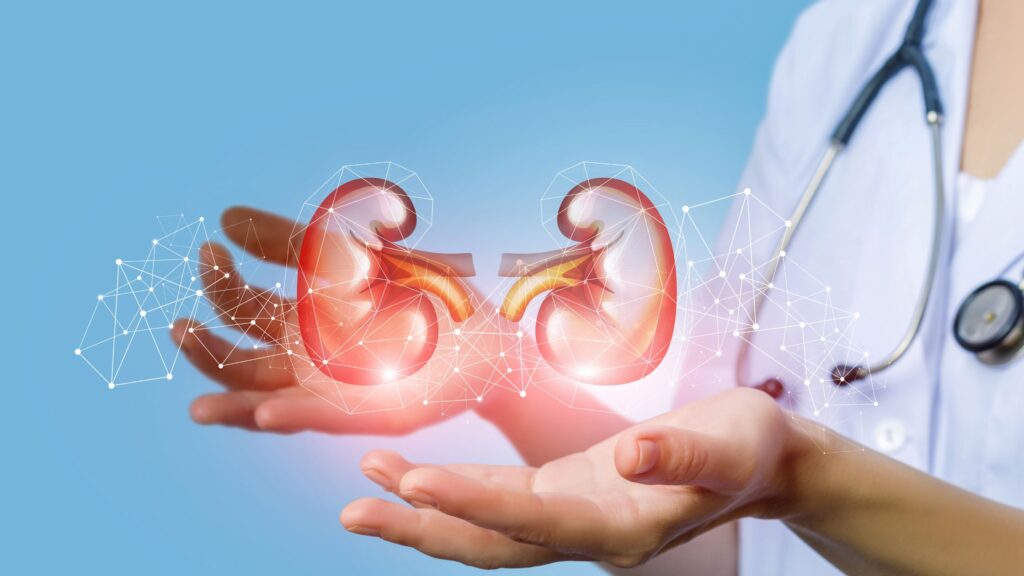
Kidney stones are hard mineral deposits that develop inside the kidneys when substances such as calcium, oxalate, uric acid, or cystine become highly concentrated in the urine. Instead of dissolving and leaving the body naturally, these minerals stick together and gradually form crystals that can grow into stones of different sizes. Some remain tiny like grains of sand and pass without causing major discomfort, while others can become large enough to block the urinary tract and trigger intense pain.
Today, kidney stones have become increasingly common due to modern lifestyles. Long working hours, inadequate water intake, excessive consumption of processed foods, high sodium diets, obesity, diabetes, and sedentary habits all contribute to the rising number of cases. India’s hot climate also increases the risk because dehydration occurs more easily, especially during the summer months.
Symptoms usually include severe pain in the side or lower back, burning during urination, blood in the urine, nausea, vomiting, frequent urination, or cloudy urine. However, not every kidney stone causes symptoms immediately. Some are detected only during routine ultrasound or CT scans.
Many people search online for natural ways to remove kidney stones because they hope to avoid surgery. While natural methods can help small stones pass more easily, it is important to understand that not every kidney stone can be treated at home. The size, location, and type of stone determine the most appropriate treatment.
For people living in Dwarka, Delhi, Najafgarh, Janakpuri, Uttam Nagar, Palam, West Delhi, and Gurugram, maintaining proper hydration is especially important because the region’s warm climate increases fluid loss through sweating.
Why Do Kidney Stones Form?
Kidney stones rarely develop overnight. They form gradually as a result of multiple lifestyle, dietary, and medical factors. Understanding these causes is the first step toward preventing future stones and choosing the right treatment approach.
The most common cause is dehydration. When the body does not receive enough water, urine becomes concentrated. This concentration allows minerals like calcium and oxalate to crystallize and stick together. Individuals who drink less than two liters of water daily are generally at a higher risk.
Diet also plays a major role. Foods high in sodium increase calcium levels in urine, making stone formation more likely. Excessive animal protein can raise uric acid levels, while high consumption of oxalate-rich foods such as spinach, beetroot, chocolate, nuts, and tea may contribute to calcium oxalate stones in susceptible individuals.
Medical conditions including obesity, diabetes, gout, hyperparathyroidism, recurrent urinary tract infections, and certain digestive disorders can further increase the likelihood of kidney stone formation. Genetics also matters. If close family members have experienced kidney stones, your own risk is significantly higher.
Ignoring these risk factors often leads to recurrent stone formation. That is why doctors emphasize long-term dietary changes and hydration rather than relying only on medications.
Can Kidney Stones Be Removed Naturally?
One of the most common questions patients ask is whether surgery can always be avoided. The answer depends on the size, type, and location of the stone.
Small kidney stones—particularly those measuring less than 5 mm—often pass naturally with adequate hydration, appropriate pain management, and lifestyle modifications. Stones measuring between 5 mm and 10 mm may also pass on their own in some cases, although medical supervision is usually recommended because passage rates decrease as stone size increases. Larger stones generally require medical treatment, especially if they obstruct urine flow, cause infection, or lead to severe pain.
Natural remedies mainly work by increasing urine flow, reducing crystal formation, supporting urinary health, and helping the body flush out tiny stones. They should never replace professional medical care when warning signs such as fever, persistent vomiting, inability to urinate, or severe pain are present.
For patients in Delhi NCR, including Dwarka, Najafgarh, Janakpuri, Uttam Nagar, Palam, and Gurugram, consulting a qualified urologist is advisable if symptoms persist despite trying conservative measures. Early diagnosis through ultrasound or CT imaging helps determine whether natural management is appropriate or whether minimally invasive procedures are needed.
The goal of natural treatment is not simply to remove an existing stone but also to reduce the chances of future stone formation through healthier habits and better hydration.
1. Drink More Water – The Most Effective Natural Remedy
Among all the natural ways to remove kidney stones, increasing water intake remains the simplest, safest, and most effective approach. Water dilutes urine, reducing the concentration of minerals responsible for stone formation. It also increases urine output, helping tiny stones move through the urinary tract more easily.
Many people wait until they feel thirsty before drinking water, but thirst is actually a sign that the body has already started becoming dehydrated. Consistent hydration throughout the day is much more beneficial than drinking large amounts at once. Most healthy adults should aim for enough fluid to produce clear or pale-yellow urine, although exact requirements vary depending on climate, physical activity, and medical conditions.
People living in Delhi, Dwarka, West Delhi, Najafgarh, and nearby regions often experience high temperatures for much of the year. Sweating causes significant fluid loss, making dehydration a common contributor to kidney stone formation. Increasing water intake during hot weather and after exercise becomes even more important.
Simple ways to stay hydrated include carrying a reusable water bottle, setting reminders on your phone, drinking water before every meal, and consuming water-rich foods such as cucumber, watermelon, and oranges. Coconut water can also contribute to hydration, although plain water should remain the primary choice.
Hydration alone may not dissolve every stone, but it creates the best environment for small stones to pass naturally and helps reduce the risk of new stones developing in the future.
2. Lemon Juice and Citrus Fruits – A Natural Source of Citrate
Among the most recommended natural ways to remove kidney stones, consuming lemon juice and other citrus fruits has gained attention because of their high citrate content. Citrate is a naturally occurring substance that helps prevent calcium from binding with oxalate, one of the primary causes of kidney stone formation. It may also slow the growth of existing calcium-based stones and reduce the likelihood of new ones developing. While lemon juice is not a miracle cure, it can be a valuable addition to a kidney-friendly lifestyle when used consistently alongside proper hydration.
Freshly squeezed lemon juice mixed with water is generally a healthier option than packaged lemonade, which often contains added sugar. Excessive sugar intake may increase the risk of kidney stone formation over time, so choosing unsweetened or lightly sweetened drinks is preferable. Many healthcare professionals suggest drinking diluted lemon water once or twice daily as part of a balanced hydration routine. Other citrus fruits such as oranges, sweet lime, and grapefruit also contain citrate, although people taking certain medications should consult their doctor before increasing grapefruit consumption due to possible drug interactions.
For residents of Dwarka, Delhi, Najafgarh, Janakpuri, Uttam Nagar, Palam, West Delhi, and Gurugram, fresh lemons are readily available throughout the year, making this a practical and affordable home remedy. Remember that lemon water should complement—not replace—medical treatment. If your stone is large, causing severe pain, or blocking urine flow, professional evaluation is essential.
3. Apple Cider Vinegar – Can It Really Help?
Apple cider vinegar has become one of the most discussed home remedies for kidney stones, but it is important to separate scientific evidence from internet myths. It contains acetic acid, which some laboratory studies suggest may help reduce crystal formation under certain conditions. However, strong clinical evidence proving that apple cider vinegar can dissolve kidney stones in humans remains limited.
If you choose to include apple cider vinegar in your routine, moderation is key. A common recommendation is one to two teaspoons diluted in a large glass of water before meals. Drinking it undiluted may damage tooth enamel and irritate the stomach or throat. It should never replace prescribed medications or medical advice.
Some people report improved digestion and increased water intake simply because they drink more fluids after adding diluted apple cider vinegar to their daily routine. This indirect increase in hydration may contribute more to kidney health than the vinegar itself. Individuals with diabetes, stomach ulcers, acid reflux, or those taking medications that affect potassium levels should consult a healthcare professional before using apple cider vinegar regularly.
When discussing natural ways to remove kidney stones, it is essential to focus on evidence-based strategies. Apple cider vinegar may serve as a supportive lifestyle choice for some people, but hydration, dietary improvements, and professional medical guidance remain far more important.
4. Reduce Salt Intake – One of the Most Effective Dietary Changes
One of the simplest yet most powerful lifestyle changes for kidney stone prevention is reducing sodium intake. High salt consumption increases the amount of calcium excreted through urine, creating conditions that encourage calcium stone formation. Many people unknowingly consume excessive sodium through processed foods rather than table salt alone.
Packaged snacks, instant noodles, processed meats, canned soups, frozen foods, sauces, chips, pickles, and fast food often contain surprisingly high levels of sodium. Reading nutrition labels and preparing more meals at home can significantly reduce daily salt intake. Flavoring food with herbs, lemon juice, garlic, ginger, coriander, mint, or black pepper instead of excessive salt is another practical strategy.
People living in busy urban areas like Delhi NCR, Dwarka, Janakpuri, Najafgarh, and Gurugram frequently rely on restaurant meals and food delivery services, which typically contain higher sodium levels than home-cooked meals. Making healthier food choices can lower not only kidney stone risk but also blood pressure and cardiovascular disease.
Reducing salt is not about eliminating flavor; it is about protecting your kidneys while still enjoying nutritious meals. Combined with adequate hydration, sodium reduction is one of the most effective long-term natural ways to remove kidney stones and prevent recurrence.
5. Eat Calcium the Right Way
Many people mistakenly believe they should stop consuming calcium after developing kidney stones. Surprisingly, for most individuals, the opposite is true. Dietary calcium obtained from foods actually helps reduce kidney stone risk by binding to oxalate in the intestines before it reaches the kidneys.
Good dietary calcium sources include milk, yogurt, cheese, curd, and calcium-fortified foods. Adults should generally aim to meet their calcium needs through food rather than supplements unless advised otherwise by a healthcare provider. Calcium supplements taken without medical supervision may increase stone risk in certain individuals, especially when consumed without meals.
Timing also matters. Eating calcium-rich foods alongside meals containing oxalate-rich vegetables helps reduce oxalate absorption. For example, combining yogurt with spinach-based dishes may be more beneficial than avoiding calcium altogether.
Patients searching for natural ways to remove kidney stones often eliminate dairy products unnecessarily, which can negatively affect bone health. Maintaining a balanced diet with appropriate calcium intake supports both kidney and overall health while reducing the chances of future stone formation.
6. Limit High-Oxalate Foods Without Eliminating Healthy Nutrition
Oxalate is a naturally occurring compound found in many healthy plant foods. When oxalate combines with calcium in urine, calcium oxalate stones may form. However, completely avoiding all oxalate-rich foods is usually unnecessary and may reduce dietary variety.
Foods relatively high in oxalates include spinach, beetroot, rhubarb, almonds, peanuts, chocolate, black tea, soy products, and sweet potatoes. Instead of eliminating these foods, healthcare providers often recommend consuming them in moderation while ensuring adequate calcium intake during meals.
Hydration also helps dilute urinary oxalate concentrations. Individuals with recurrent calcium oxalate stones may benefit from personalized dietary counseling rather than following restrictive diets found online. A registered dietitian can help develop a meal plan that protects kidney health while providing balanced nutrition.
For people across Delhi, Dwarka, Palam, Najafgarh, Janakpuri, and nearby areas, traditional Indian diets can easily be adjusted by balancing leafy vegetables with dairy products, increasing water intake, and reducing processed foods. These sustainable changes are often more effective than following extreme dietary trends.
7. Stay Physically Active to Support Kidney Health
Exercise is not usually the first recommendation people associate with kidney stones, but regular physical activity contributes significantly to overall urinary health. A sedentary lifestyle is linked with obesity, metabolic disorders, and dehydration—all factors that increase kidney stone risk.
Simple activities such as brisk walking, cycling, swimming, yoga, stretching, and light strength training improve circulation, support healthy metabolism, and encourage adequate fluid intake. People who exercise regularly are often more conscious about hydration, which directly benefits kidney function.
Office workers who spend long hours sitting should take short walking breaks every hour and drink water consistently throughout the day. During hot weather in Delhi NCR, outdoor exercise should be accompanied by increased water consumption to replace fluids lost through sweating.
Exercise will not force a kidney stone to pass immediately, but maintaining a healthy and active lifestyle reduces recurrence risk and improves long-term kidney health. When combined with hydration and proper nutrition, physical activity becomes another important part of the best natural ways to remove kidney stones.
8. Herbal Remedies – Use Them Carefully
Several herbal remedies have traditionally been used to support kidney health, including Phyllanthus niruri (commonly known as Chanca Piedra or “Stone Breaker”), basil, celery seed, parsley, and barley water. While some early studies suggest these herbs may support urinary health or reduce crystal formation, scientific evidence remains limited and inconsistent.
Herbal supplements are not regulated as strictly as prescription medicines, meaning product quality, purity, and dosage may vary significantly. Some herbal products may also interact with medications used for diabetes, blood pressure, or blood thinning. Therefore, self-medicating with herbal supplements without professional guidance is not recommended.
Instead of relying solely on herbal remedies, prioritize evidence-based strategies such as adequate hydration, balanced nutrition, maintaining a healthy weight, and following medical advice. Herbs may have a supportive role for some individuals, but they should never delay necessary medical treatment when symptoms worsen.
For patients in Dwarka, Delhi, or anywhere in Delhi NCR, consulting a qualified urologist is the safest approach if pain persists, blood appears in the urine, fever develops, or the stone fails to pass naturally.
9. Maintain a Healthy Weight to Reduce Kidney Stone Risk
Maintaining a healthy body weight is one of the most overlooked yet effective natural ways to remove kidney stones and prevent them from returning. Research has shown that obesity and excess body fat are associated with a higher risk of developing kidney stones, particularly calcium oxalate and uric acid stones. People who are overweight often experience changes in urine composition, including increased calcium, oxalate, and uric acid levels, which create an environment where stones can form more easily.
Weight management does not require crash diets or extreme exercise programs. Sustainable lifestyle changes such as eating balanced meals, staying hydrated, engaging in regular physical activity, and getting enough sleep can significantly improve kidney health. Aim for at least 30–45 minutes of moderate exercise most days of the week. Walking, cycling, swimming, yoga, and light strength training are excellent options that support both weight loss and overall wellness.
Avoid sugary beverages, highly processed foods, and excessive consumption of refined carbohydrates. Instead, focus on fresh fruits, vegetables, whole grains, lean protein, and healthy fats. People living in Dwarka, Delhi, Janakpuri, Najafgarh, Palam, West Delhi, and Gurugram can also benefit from consulting a registered dietitian if they have recurrent kidney stones along with diabetes, obesity, or high blood pressure.
Healthy weight management not only lowers the chances of kidney stone recurrence but also supports heart health, improves blood sugar control, and enhances overall quality of life.
10. Follow a Kidney Stone Prevention Diet
Diet plays a crucial role in both treating small kidney stones naturally and preventing future episodes. Instead of following restrictive fad diets, focus on a balanced eating pattern that supports kidney health.
A kidney-friendly diet generally includes:
| Recommended Foods | Foods to Limit |
| Plenty of water | Sugary soft drinks |
| Citrus fruits | Processed foods |
| Fresh vegetables | High-sodium snacks |
| Whole grains | Excess animal protein |
| Moderate dairy products | Excessive chocolate |
| Fruits with high water content | Too much spinach and beetroot |
| Lentils and legumes | Highly processed fast food |
The key is balance rather than complete elimination. For example, spinach is nutritious, but individuals prone to calcium oxalate stones should consume it in moderation while maintaining adequate dietary calcium.
Many people searching for natural ways to remove kidney stones believe they need to avoid every food associated with stones. This often leads to nutritional deficiencies. Instead, work with your healthcare provider to identify your stone type and adjust your diet accordingly.
If you live in Delhi NCR, where restaurant food is commonly high in salt and oil, cooking more meals at home can significantly improve kidney health while reducing the risk of future stones.
When Natural Treatment Is Not Enough
Natural remedies can be very effective for small kidney stones, but they are not appropriate in every situation. Some kidney stones require prompt medical attention to prevent complications such as kidney damage or infection.
Seek immediate medical care if you experience:
- Severe pain that does not improve with medication
- Fever or chills
- Blood in urine that continues or worsens
- Difficulty or inability to urinate
- Persistent nausea and vomiting
- Stones larger than approximately 6–7 mm
- Recurrent urinary tract infections
Modern urology offers several minimally invasive treatment options when natural methods are insufficient. These include:
- Medical Expulsive Therapy (MET)
- Extracorporeal Shock Wave Lithotripsy (ESWL)
- Ureteroscopy (URS)
- Retrograde Intrarenal Surgery (RIRS)
- Percutaneous Nephrolithotomy (PCNL) for large stones
These procedures are designed to remove stones effectively while minimizing recovery time. Early diagnosis allows your urologist to recommend the most suitable treatment before complications develop.
Kidney Stone Prevention Tips
Preventing kidney stones is often easier than treating them. The following habits can significantly reduce your risk:
- Drink enough water throughout the day.
- Reduce excess salt intake.
- Eat calcium-rich foods instead of avoiding calcium.
- Limit sugary beverages.
- Maintain a healthy body weight.
- Exercise regularly.
- Avoid excessive animal protein.
- Consume citrus fruits regularly.
- Follow your doctor’s dietary advice based on your stone type.
- Schedule regular health check-ups if you have a history of kidney stones.
Consistency is the key. Small daily habits often provide greater long-term benefits than temporary lifestyle changes.
Comparison: Natural Treatment vs Medical Treatment
| Feature | Natural Treatment | Medical Treatment |
| Best for | Small stones | Medium to large stones |
| Recovery | No downtime | Usually quick recovery |
| Cost | Low | Higher depending on procedure |
| Risk | Minimal when supervised | Low with experienced specialists |
| Success Rate | Good for very small stones | Very high for larger stones |
| Prevents Recurrence | Yes, with lifestyle changes | Requires lifestyle changes afterward |
Conclusion
Exploring natural ways to remove kidney stones can be a safe and effective approach for many people, particularly when dealing with small stones. Drinking enough water, increasing citrate intake through lemon water, reducing sodium, maintaining a balanced diet, staying physically active, and managing body weight all contribute to better kidney health. These habits not only help support the passage of small stones but also reduce the likelihood of future stone formation.
At the same time, it is important to recognize the limits of home remedies. Persistent pain, fever, difficulty urinating, or larger stones require evaluation by a qualified urologist. Early diagnosis and appropriate treatment can prevent serious complications and protect kidney function.
If you are in Dwarka, Delhi, Najafgarh, Janakpuri, Palam, Uttam Nagar, West Delhi, or Gurugram, adopting these healthy lifestyle practices while seeking timely medical advice when necessary can help you manage kidney stones more effectively.
Frequently Asked Questions
1. What is the fastest natural way to remove kidney stones?
The most effective natural method is drinking plenty of water to increase urine output. Staying hydrated, along with consuming citrate-rich lemon water, may help small stones pass more easily.
2. Can lemon water dissolve kidney stones?
Lemon water does not directly dissolve most kidney stones, but the citrate it contains may help reduce calcium stone formation and support the passage of small stones.
3. Which foods should I avoid if I have kidney stones?
Limit high-sodium processed foods, sugary drinks, excessive animal protein, and excessive amounts of high-oxalate foods if you are prone to calcium oxalate stones.
4. Can kidney stones disappear without surgery?
Yes. Many stones smaller than 5 mm pass naturally with adequate hydration, dietary changes, and medical supervision when needed.
5. When should I see a doctor for kidney stones?
Seek medical attention immediately if you develop severe pain, fever, vomiting, difficulty urinating, persistent blood in the urine, or symptoms suggesting a urinary tract infection.