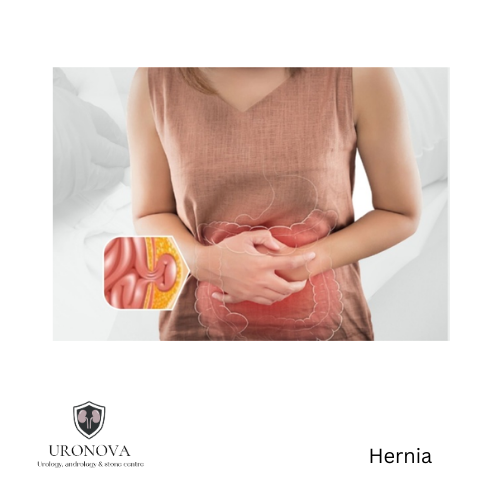
A hernia occurs when an internal organ or tissue pushes through a weak area in the surrounding muscle or connective tissue. It often appears as a bulge under the skin and may become more noticeable when standing, coughing, lifting heavy objects, or straining.
Hernias are common and can affect people of all ages. While some hernias may cause only mild discomfort, others can lead to complications if left untreated. Understanding the signs and symptoms can help individuals seek timely medical advice.
The muscles and tissues of the abdominal wall normally hold internal organs in place. When a weak spot develops, tissue or part of an organ can push through the opening, creating a hernia.
A hernia may develop gradually over time or appear suddenly after physical strain. Some people are born with weaker areas in the abdominal wall, while others develop weakness later in life.
An inguinal hernia occurs in the groin area and is one of the most common types of hernia. It develops when part of the intestine or fatty tissue pushes through a weak area in the lower abdominal wall.
A femoral hernia appears in the upper thigh or groin area. It is less common but may carry a higher risk of complications.
This type develops near the belly button. It is common in infants but can also occur in adults.
An incisional hernia may develop at the site of a previous surgical incision when the abdominal wall does not heal completely.
A hiatal hernia occurs when part of the stomach moves upward through the diaphragm into the chest cavity. This type may cause digestive symptoms rather than a visible bulge.
Several factors can increase the risk of developing a hernia, including:
In some cases, a combination of factors contributes to the development of a hernia.
Symptoms can vary depending on the type and size of the hernia.
Common signs include:
Some hernias may cause no symptoms and are discovered during a routine medical examination.
A hernia can occasionally become trapped or strangulated, which may reduce blood supply to the affected tissue.
Seek urgent medical attention if you experience:
These symptoms may indicate a medical emergency.
A healthcare provider will ask about symptoms, lifestyle, and previous medical conditions.
Many hernias can be identified through a physical examination, especially when standing or coughing.
Additional tests may be recommended in certain situations, including:
These tests help confirm the diagnosis and evaluate the size and location of the hernia.
Most hernias do not disappear without treatment. In many cases, the weakness in the abdominal wall remains and may gradually worsen over time.
Small hernias may be monitored if they are not causing symptoms, but regular follow-up is important to assess any changes.
Treatment depends on the type, size, symptoms, and overall health of the individual.
For small hernias with minimal symptoms, careful monitoring may be recommended.
Certain lifestyle measures may help reduce discomfort and prevent worsening symptoms:
Surgery is often recommended for hernias that cause pain, increase in size, or carry a risk of complications.
The goal of surgery is to return the tissue to its normal position and repair the weakened area of the abdominal wall.
This approach involves making an incision over the hernia to repair the weakened tissue.
This minimally invasive technique uses small incisions and specialized instruments to repair the hernia.
The choice of surgical method depends on several factors, including the type of hernia and the individual’s overall health.
Recovery varies depending on the type of procedure performed.
Patients are generally advised to:
Most individuals gradually return to normal daily activities as healing progresses.
Although not all hernias can be prevented, certain habits may help reduce the risk:
These measures can help support abdominal muscle strength and overall health.
Many people live with a hernia for some time before seeking treatment. However, it is important not to ignore symptoms, especially if the bulge increases in size or becomes painful.
Regular medical evaluation can help determine whether observation or treatment is the most appropriate approach.