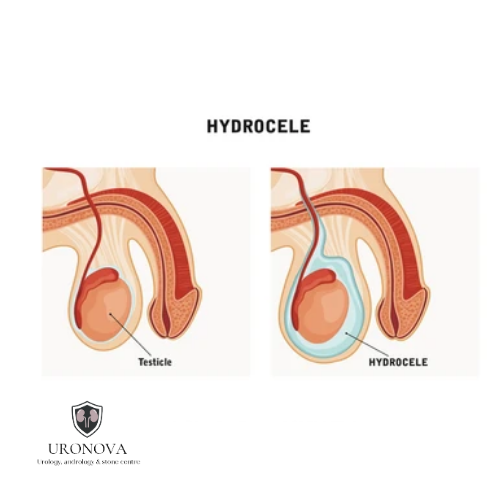
A hydrocele is a condition in which fluid collects around a testicle, causing swelling in the scrotum. The scrotum is the skin pouch that holds the testicles. Hydroceles are common in newborn babies, but they can also develop in teenagers and adult men.
In many cases, a hydrocele is not dangerous and may not cause significant discomfort. However, persistent swelling should always be evaluated to rule out other conditions affecting the testicles and surrounding tissues.
Men living in Delhi, including areas such as Dwarka and Nagli, may notice scrotal swelling and wonder whether it is a hydrocele or another condition. Proper medical evaluation can help identify the exact cause.
The testicles are surrounded by a thin protective sac. Normally, a small amount of fluid is present in this space. A hydrocele develops when excess fluid accumulates around the testicle.
The swelling may occur on one side or both sides of the scrotum. The amount of fluid can vary from a small collection to a larger swelling that affects daily comfort.
This type is present at birth and occurs when the passage between the abdomen and scrotum does not close completely during development.
This type develops later in life and may be associated with inflammation, injury, infection, or other conditions affecting the scrotum.
A hydrocele may develop due to several reasons, including:
Sometimes the exact cause cannot be identified.
The most common symptom is swelling of the scrotum. Other symptoms may include:
Many hydroceles are painless. However, any pain, redness, or sudden swelling should be evaluated promptly.
Medical evaluation is important if you experience:
These symptoms may indicate conditions other than hydrocele and require proper assessment.
Several conditions can cause swelling in the scrotum and may appear similar to a hydrocele, including:
Because symptoms can overlap, a professional examination is important for an accurate diagnosis.
The healthcare provider may ask questions about symptoms, duration of swelling, pain, injuries, and previous medical conditions.
A physical examination helps assess the size and characteristics of the swelling.
In some cases, a light may be shone through the swollen area. Fluid-filled swelling often allows light to pass through.
An ultrasound is one of the most useful tests for confirming a hydrocele and ruling out other scrotal conditions.
Depending on symptoms, urine tests or blood tests may be recommended to check for infection or inflammation.
Not all hydroceles require immediate treatment.
Small hydroceles that do not cause symptoms may simply be monitored over time. Treatment is usually considered when:
The treatment approach depends on the patient’s age, symptoms, and overall health.
If the hydrocele is small and symptom-free, regular monitoring may be sufficient.
If infection or inflammation is present, treating the underlying problem may help reduce symptoms.
For larger or persistent hydroceles, surgery may be recommended. The procedure involves removing the fluid-filled sac or preventing fluid from collecting again.
Hydrocele surgery is commonly performed and is generally considered a safe procedure when carried out by experienced healthcare professionals.
Recovery varies depending on the type of treatment performed.
Following surgery, patients may be advised to:
Mild swelling and discomfort may occur during the recovery period and usually improve gradually.
Although treatment is often successful, recurrence can occur in some cases. Regular follow-up helps monitor recovery and identify any future concerns.
A simple hydrocele usually does not affect fertility. However, large hydroceles or associated conditions involving the testicles may require further evaluation.
Men concerned about fertility should discuss their symptoms and reproductive health goals during their medical assessment.
Not all hydroceles can be prevented. However, certain measures may help reduce the risk of complications:
Awareness of scrotal health is important for men of all ages. Individuals living in Delhi, including Dwarka, Nagli, and nearby areas, should not ignore swelling of the scrotum even when it is painless. Early evaluation can help identify the cause and ensure appropriate management.
Location:- PILLAR NUMBER 63, PLOT NO 3, below NANGLI METRO STATION, Ranaji Enclave, Masudabad, Najafgarh, New Delhi, Delhi, 110043
Location:- Vandematram apartments, 46a, Pocket 2, Sector 6 Dwarka, New Delhi, Delhi, 110075