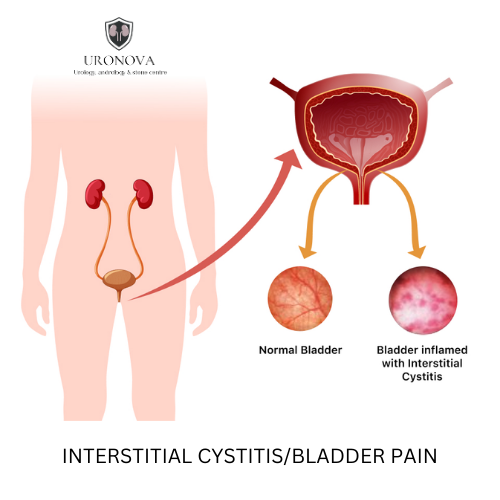
Interstitial cystitis (IC), also known as bladder pain syndrome, is a long-term condition that causes discomfort, pressure, or pain in the bladder and surrounding pelvic area. Unlike a typical urinary tract infection (UTI), interstitial cystitis is not caused by bacteria and may continue for months or even years.
The condition affects people differently. Some individuals experience mild symptoms that come and go, while others may have persistent bladder pain that interferes with daily activities, sleep, work, and social life.
Understanding the condition and recognizing its symptoms can help people seek appropriate medical evaluation and support.
The bladder is a hollow organ that stores urine until it is ready to be passed from the body. As the bladder fills, it stretches and sends signals to the brain indicating the need to urinate.
In people with interstitial cystitis, the bladder may become more sensitive than normal. Even small amounts of urine can trigger discomfort, pressure, or the urge to urinate frequently.
The exact cause of interstitial cystitis is not fully understood. Researchers believe that several factors may contribute to its development.
Possible causes include:
In many cases, no single cause can be identified.
Symptoms can vary from person to person and may change over time.
Common symptoms include:
Some people experience symptom flare-ups followed by periods of improvement.
Women may experience:
Men may experience:
Symptoms can sometimes resemble other urinary conditions, making proper diagnosis important.
Several medical conditions can cause symptoms similar to interstitial cystitis, including:
A medical evaluation helps identify the correct cause of symptoms.
A healthcare evaluation is recommended if you experience:
Early assessment may help identify the cause and guide appropriate management.
There is no single test that confirms interstitial cystitis. Diagnosis often involves ruling out other conditions that may cause similar symptoms.
A healthcare provider may ask about:
A physical examination may help identify other possible causes of symptoms.
Urine testing is commonly performed to rule out infection or blood in the urine.
Additional investigations may include imaging studies or procedures that allow healthcare providers to examine the bladder more closely when necessary.
There is currently no single cure that works for everyone. However, many people can manage symptoms successfully through a combination of lifestyle changes, therapies, and medical treatment.
The goal of treatment is often to reduce pain, improve bladder function, and enhance quality of life.
Many individuals notice that certain habits influence their symptoms.
Helpful lifestyle measures may include:
Symptom triggers can vary from person to person.
Some individuals report worsening symptoms after consuming:
Keeping track of dietary habits may help identify personal triggers.
Treatment plans are individualized based on symptoms and overall health.
Possible treatment approaches may include:
Bladder training techniques aim to gradually increase the time between bathroom visits.
Physical therapy may help individuals with pelvic floor muscle tension or dysfunction.
Certain medications may be recommended to help manage pain, inflammation, or urinary symptoms.
In some cases, specialized bladder treatments may be considered when symptoms do not improve with conservative measures.
Living with chronic bladder pain can be challenging. Many people experience periods when symptoms improve and periods when symptoms become more noticeable.
Helpful strategies may include:
Support from family, friends, and healthcare professionals can also play an important role.
If symptoms remain uncontrolled, interstitial cystitis may affect:
Seeking appropriate care can help reduce the impact of symptoms on daily life.
No. Bacteria do not cause interstitial cystitis and do not respond to antibiotics in the same way as a urinary tract infection.
Yes. Many people experience periods of improvement followed by symptom flare-ups.
Yes. Although it is more commonly diagnosed in women, men can also develop the condition.
Location:- PILLAR NUMBER 63, PLOT NO 3, below NANGLI METRO STATION, Ranaji Enclave, Masudabad, Najafgarh, New Delhi, Delhi, 110043
Location:- Vandematram apartments, 46a, Pocket 2, Sector 6 Dwarka, New Delhi, Delhi, 110075