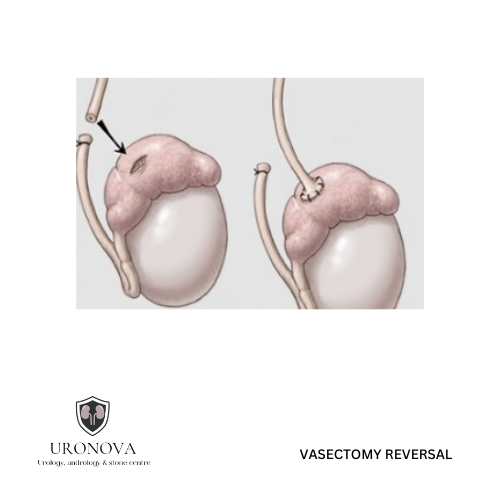
A vasectomy reversal is a surgical procedure that reconnects the tubes that were previously cut or blocked during a vasectomy. The goal of the procedure is to allow sperm to travel through the reproductive tract again, making natural conception possible in some cases.
Many men consider vasectomy reversal after changes in life circumstances, such as remarriage, a desire to have more children, or personal family planning decisions. Understanding how the procedure works and what factors affect its success can help individuals make informed choices.
A vasectomy is usually considered a permanent form of birth control. However, circumstances can change over time. Some common reasons for considering a vasectomy reversal include:
Every individual’s situation is different, and the decision should be based on careful consideration and medical advice.
During a vasectomy, the vas deferens, which are the tubes that carry sperm, are cut or sealed. A vasectomy reversal reconnects these tubes so sperm can once again mix with semen.
The procedure is performed using specialized surgical techniques. In many cases, a microscope is used to help reconnect the tiny tubes with precision.
The surgery is generally more complex than a vasectomy because it requires careful repair of very small structures within the reproductive system.
This is the most common type of vasectomy reversal. In this procedure, the two ends of the vas deferens are reconnected to restore the flow of sperm.
In some cases, a blockage develops closer to the testicle. When this occurs, the vas deferens may need to be connected directly to the epididymis, which stores and transports sperm. This is a more complex procedure and may be recommended depending on surgical findings.
A vasectomy reversal may be considered for men who:
A detailed medical evaluation is often needed to determine whether the procedure is appropriate.
The outcome of a vasectomy reversal can depend on several factors, including:
In general, shorter intervals between vasectomy and reversal may be associated with better chances of restoring sperm flow. However, successful outcomes are still possible many years after a vasectomy.
The health of both partners can influence the chances of pregnancy after a reversal.
The condition of the reproductive tract and the type of repair required may affect the final outcome.
Scar tissue or blockages that develop over time may influence the procedure and recovery process.
Before surgery, a medical assessment is usually performed. The procedure is typically carried out under anesthesia.
During surgery, the surgeon carefully examines the vas deferens and determines the most appropriate repair method. The blocked sections are then reconnected using fine surgical instruments and microscopic techniques.
The procedure may take several hours depending on the complexity of the repair.
Recovery times can vary, but most men can return to light daily activities within a few days. Following post-operative instructions is important for proper healing.
Some common recovery recommendations include:
Mild discomfort, swelling, or bruising may occur during the early recovery period.
The return of sperm after vasectomy reversal varies among individuals. Some men may have sperm detected within a few months, while others may require a longer period.
Follow-up semen analysis is often performed to monitor recovery and determine whether sperm are present in the semen.
As with any surgical procedure, vasectomy reversal may involve certain risks, including:
Discussing these risks with a qualified healthcare professional can help individuals understand what to expect.
For couples considering a future pregnancy, vasectomy reversal may be one option to restore fertility. Family planning decisions are personal and should take into account age, reproductive health, long-term goals, and medical advice.
Men living in different parts of Delhi, including Dwarka, Nagli, and surrounding areas, often seek information about fertility restoration and reproductive health before making treatment decisions.
No. Success rates can vary depending on several factors, including the time since the vasectomy and individual health conditions.
Many men regain sperm in their semen after a successful reversal. However, pregnancy outcomes depend on multiple factors involving both partners.
The surgery is performed under anesthesia. Some discomfort may occur during recovery, but it is generally manageable with proper care.
Most men recover from the initial procedure within a few weeks, although complete healing may take longer.
Location:- PILLAR NUMBER 63, PLOT NO 3, below NANGLI METRO STATION, Ranaji Enclave, Masudabad, Najafgarh, New Delhi, Delhi, 110043
Location:- Vandematram apartments, 46a, Pocket 2, Sector 6 Dwarka, New Delhi, Delhi, 110075