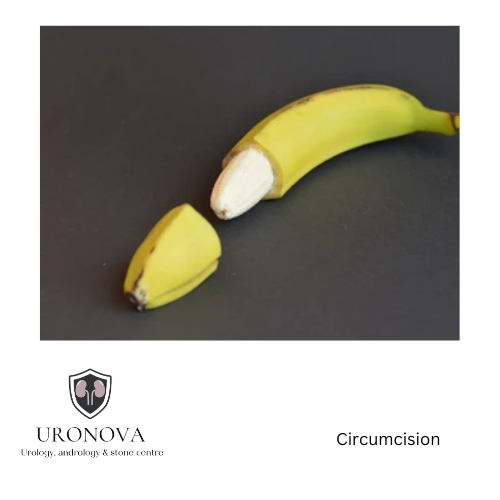
Circumcision Surgery: Complete Guide to Procedure, Benefits, Recovery & Cost

Urological Services > Circumcision

Urology Services

Emergency Cases

+91 7878330033

Opening Hours

  • Monday:
    01:00 pm - 02.30 pm
    06:30 pm - 08.30 pm
  • Tuesday:
    01:00 pm - 02.30 pm
    06:30 pm - 08.30 pm
  • Wednesday:
    01:00 pm - 02.30 pm
    06:30 pm - 08.30 pm
  • Thursday:
    01:00 pm - 02.30 pm
    06:30 pm - 08.30 pm
  • Friday:
    01:00 pm - 02.30 pm
    06:30 pm - 08.30 pm
  • Saturday:
    01:00 pm - 02.30 pm
    06:30 pm - 08.30 pm

Meet Our Doctor

Dr Amit Kundu

MBBS, MS, MCh-Urology, Urologist, Andrologist
Edit Template
Circumcision

Introduction

Circumcision is one of the most commonly performed minor surgical procedures worldwide. Despite its simplicity, many patients feel anxious or unsure about whether they need it, what the procedure involves, and how recovery looks.

With advancements in urology, circumcision today is safe, quick, minimally painful, and cosmetically precise. Modern techniques such as laser and stapler circumcision have transformed patient experience—reducing downtime and improving outcomes.

This comprehensive guide will help you understand everything about circumcision—from indications and techniques to recovery, benefits, and cost considerations.

What is Circumcision?

Circumcision is a surgical procedure in which the foreskin (prepuce) covering the head (glans) of the penis is removed. It may be done for:

  • Medical reasons 
  • Hygiene-related concerns 
  • Personal or cultural preferences 

While some men may never need circumcision, others may develop conditions where it becomes medically necessary.

When is Circumcision Required?

Circumcision is not always mandatory, but it is strongly recommended in several clinical situations:

1. Phimosis (Tight Foreskin)

This is the most common reason for adult circumcision. The foreskin becomes too tight to retract over the glans, leading to:

  • Pain during erection 
  • Difficulty in cleaning 
  • Increased risk of infection 

2. Paraphimosis (Emergency Condition)

In this condition, the foreskin gets stuck behind the glans and cannot return to its normal position. It can cause:

  • Severe swelling 
  • Pain 
  • Reduced blood supply 

This requires urgent medical attention.

3. Recurrent Infections

Repeated infections such as:

  • Balanitis (glans infection) 
  • Posthitis (foreskin infection) 

These conditions can significantly affect the quality of life.

4. Pain During Intercourse

A tight foreskin can lead to:

  • Pain 
  • Cracks or bleeding 
  • Reduced sexual comfort 

5. Hygiene Issues

Inability to clean under the foreskin can lead to:

  • Foul smell 
  • Infection 
  • Inflammation 

Types of Circumcision Procedures

Modern urology offers multiple techniques. The choice depends on patient condition, preference, and surgeon recommendation.

1. Laser Circumcision

This is one of the most advanced and preferred methods today.

Advantages:

  • Minimal bleeding 
  • High precision 
  • Reduced post-operative pain 
  • Faster healing 

Laser technology allows precise cutting with minimal tissue damage, making recovery smoother.

2. Stapler Circumcision

A specialized device is used to simultaneously cut and staple the foreskin.

Advantages:

  • Quick procedure (10–15 minutes) 
  • Uniform cosmetic results 
  • Minimal bleeding 

This method is particularly popular for its speed and consistent outcomes.

3. Conventional Circumcision

The traditional surgical method uses a scalpel and sutures.

Limitations:

  • Slightly more bleeding 
  • Longer healing time 
  • More post-operative discomfort 

While effective, it is now less preferred compared to modern techniques.

Step-by-Step Procedure

Understanding the process can help reduce anxiety:

  1. Pre-procedure evaluation 
    • Medical history 
    • Physical examination 
  2. Anesthesia 
    • Local anesthesia or short sedation 
  3. Surgical procedure 
    • Removal of the foreskin using a selected technique 
  4. Hemostasis & dressing 
    • Ensuring minimal bleeding 
    • Applying dressing 
  5. Discharge 
    • Same-day discharge in most cases 

Recovery after circumcision

Recovery is usually smooth and quick, especially with modern techniques.

Timeline:

  • Day 1–2: Mild discomfort, manageable with medication 
  • Day 3–5: Swelling reduces 
  • Day 7–10: Significant healing 
  • 2 weeks: Almost complete recovery 

Activity Guidelines:

  • Resume work: 1–2 days 
  • Avoid strenuous activity: 1 week 
  • Sexual activity: 3–4 weeks 

Post-Operative Care Tips

Proper care ensures faster healing and reduces complications:

  • Keep the area clean and dry 
  • Wear loose-fitting clothing 
  • Avoid friction or pressure 
  • Take prescribed medications 
  • Follow up with your doctor 

Benefits of Circumcision

Circumcision offers both medical and lifestyle benefits:

  1. Improved Hygiene

Easier cleaning reduces risk of infections.

  1. Reduced Infection Risk

Lower chances of:

  • Balanitis 
  • Urinary infections 
  1. Pain Relief

Eliminates issues caused by a tight foreskin.

  1. Better Sexual Comfort

Improves confidence and comfort during intercourse.

  1. Prevention of Complications

Avoids emergencies like paraphimosis.

Cost of Circumcision – What Determines It?

The cost of circumcision is not fixed and depends on multiple factors.

Key Factors Affecting Cost:

  • Type of procedure: Laser, stapler, or conventional 
  • Complexity of condition: Severity of phimosis or infection 
  • Technology used: Advanced devices improve outcomes 
  • Surgeon expertise: Experienced specialists ensure safety 
  • Hospital infrastructure: Sterility and safety standards 

Rather than focusing only on price, patients should consider overall value, safety, and long-term outcomes.

Why Advanced Techniques Are Worth It

Although modern methods may have a slightly higher upfront cost, they provide:

  • Faster recovery 
  • Less pain 
  • Fewer complications 
  • Better cosmetic results 

This often translates into less time off work and fewer follow-up visits, making it more cost-effective overall.

Is Circumcision Safe?

Yes, circumcision is a very safe procedure when performed by a qualified urologist.

Possible (Rare) Risks:

  • Mild swelling 
  • Minor bleeding 
  • Infection (rare with proper care) 

Modern techniques significantly reduce these risks.

Circumcision in Adults vs Children

Adults:

  • Done for medical reasons 
  • Requires a short recovery period 

Children:

  • Often done for cultural or preventive reasons 
  • Faster healing 

Psychological & Lifestyle Impact

Many patients report:

  • Increased confidence 
  • Improved hygiene habits 
  • Relief from long-standing discomfort 

Addressing the problem early can significantly improve quality of life.