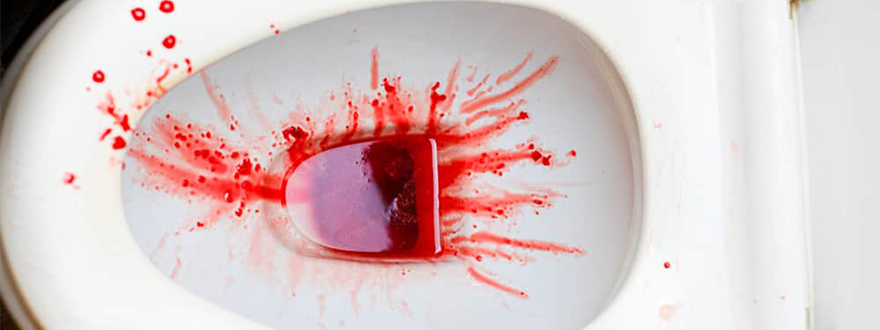
Blood in urine, medically referred to as hematuria, is a condition that can be alarming for patients.
It may present as visible red, pink, or cola-colored urine, or it may be detected only through laboratory testing.
While some causes are minor and self-limiting, others may indicate serious underlying conditions such as kidney stones, infections, or cancers of the urinary tract.
Hematuria should never be ignored. Even a single episode warrants a proper medical evaluation to determine the cause and initiate appropriate treatment.
This comprehensive guide provides an in-depth understanding of hematuria, including its causes, symptoms, diagnosis, treatment options, and preventive strategies.
Hematuria refers to the presence of red blood cells in the urine. It is broadly classified into two types:
Both types are clinically important and require evaluation. Gross hematuria is more alarming to patients, while microscopic hematuria is often detected incidentally during routine tests.
Blood can enter urine from any part of the urinary tract, including the kidneys, ureters, bladder, prostate (in men), and urethra.
The source of bleeding may vary from infections and inflammation to stones, trauma, or tumors.
UTIs are one of the most common causes of hematuria, especially in women. Infection leads to inflammation and irritation of the urinary tract lining, causing bleeding.
Kidney or ureteric stones can scrape the lining of the urinary tract, leading to bleeding.
Painless hematuria can be an early sign of malignancy. This is particularly important in older patients or smokers.
Early detection significantly improves treatment outcomes.
In men, an enlarged prostate can lead to urinary obstruction and bleeding.
Conditions like glomerulonephritis can cause microscopic hematuria along with protein loss in urine.
Injury to the kidneys or bladder due to accidents or sports can result in visible blood in urine.
Certain medications, such as blood thinners (anticoagulants) can increase the risk of bleeding.
Painful hematuria is often associated with infections or stones, while painless hematuria can be more concerning and may indicate tumors.
Both require thorough evaluation.
Hematuria becomes concerning when it is persistent, recurrent, or associated with other symptoms such as weight loss, pain, or fever.
Painless hematuria, especially in older individuals, must always be investigated for malignancy.
A systematic approach is required to identify the underlying cause:
Advanced imaging and endoscopic evaluation help pinpoint the exact source of bleeding.
Treatment depends entirely on the underlying cause:
In young patients, common causes include infections and stones.
In middle-aged individuals, lifestyle factors and metabolic issues play a role.
In elderly patients, malignancy must always be ruled out.
Adopting a healthy lifestyle can significantly reduce the risk of urinary problems.
Drinking adequate water, maintaining hygiene, and avoiding harmful habits like smoking play a crucial role.
The cost varies depending on the underlying cause and investigations required.
Basic evaluation is affordable, while advanced imaging or surgery may increase costs.
Early diagnosis often reduces overall treatment expenses.
Blood in urine is a symptom that should never be ignored.
With proper evaluation and timely treatment, most causes can be effectively managed.
Consult a urologist for an accurate diagnosis and personalized treatment to ensure optimal urinary health.
Not always, but it must be evaluated.
Rarely, but hydration helps prevent issues.
Not always, but cancer must be ruled out.
Immediately consult a doctor.
Yes, with proper lifestyle and early care.
Location:- PILLAR NUMBER 63, PLOT NO 3, below NANGLI METRO STATION, Ranaji Enclave, Masudabad, Najafgarh, New Delhi, Delhi, 110043
Location:- Vandematram apartments, 46a, Pocket 2, Sector 6 Dwarka, New Delhi, Delhi, 110075